Author Archives: Finpower Dubai

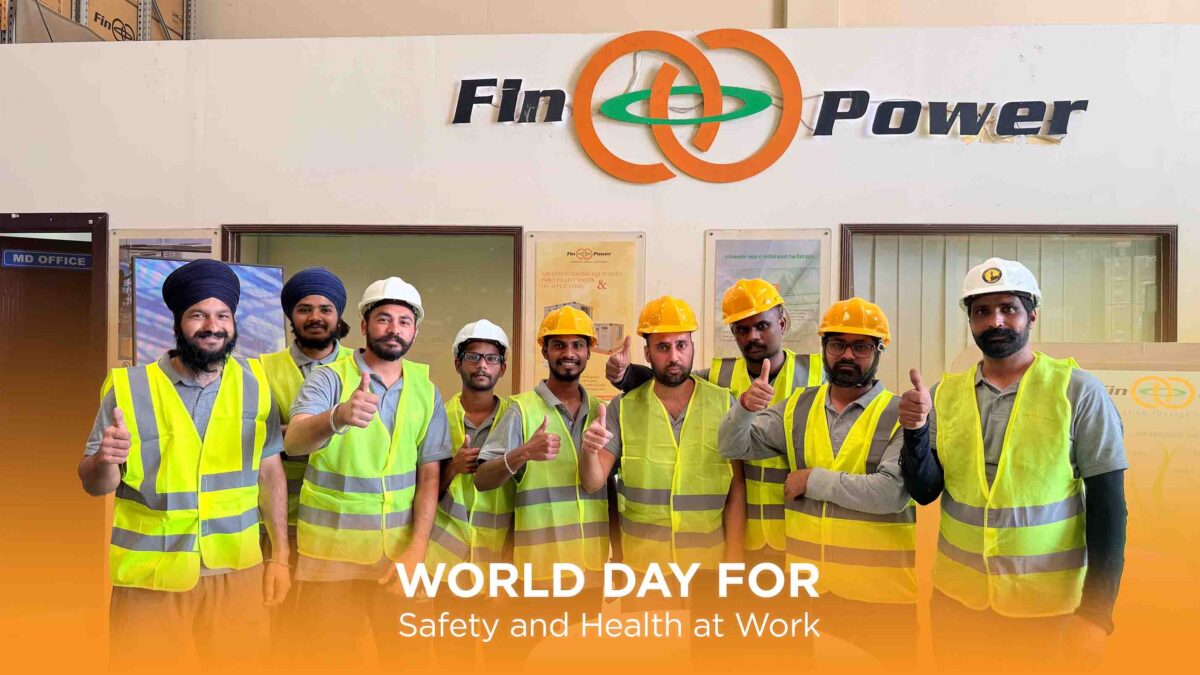
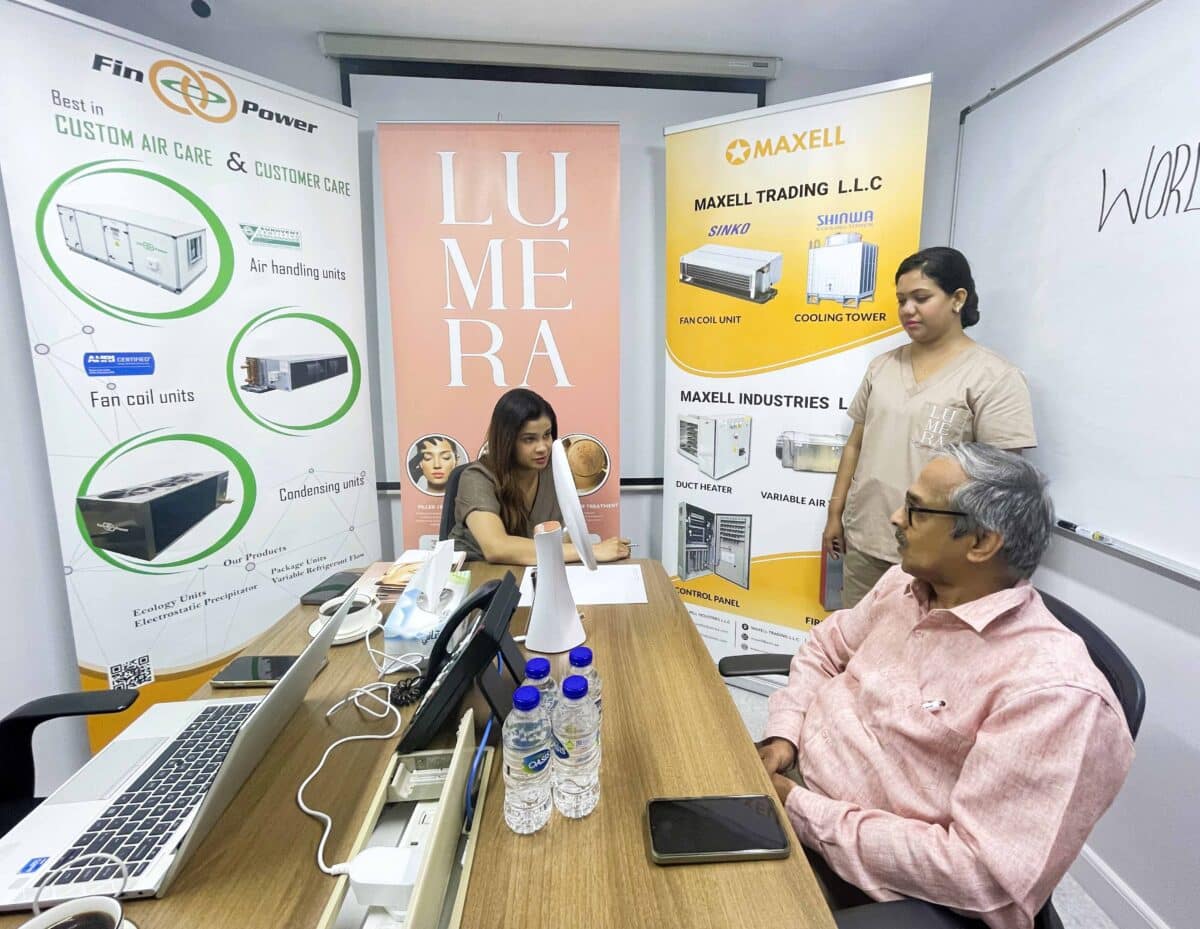
Finpower Aircon Marks World Day for Safety and Health at Work

At Finpower Aircon, safety is a core value that shapes the way we work every day.

On World Day for Safety and Health at Work, we conducted a focused safety awareness session for our factory workforce. It reinforced safe and responsible work practices across all operations.

The session highlighted key aspects of workplace safety, including proper use of personal protective equipment, safe machine handling procedures, electrical safety precautions, and maintaining an orderly and hazard-free work environment. These fundamentals may seem routine, but their consistent practice is essential in preventing incidents and ensuring operational safety.

To make the session more impactful, we encouraged active participation from employees, allowing them to share on-ground experiences, discuss challenges, and raise safety-related concerns from their daily tasks. This approach helped strengthen understanding and connect safety guidelines with real-time work situations.

In fast-paced manufacturing environments, risks often arise from small oversights. The session emphasized the importance of staying alert, following defined procedures, and maintaining a disciplined approach to every task.

At Finpower Aircon, we continuously invest in awareness programs and training initiatives to build a stronger, more proactive safety culture across all levels of the organization. Our focus remains on creating a workplace where safety is understood, practiced, and prioritized without exception.

Safety is not a one-time initiative; it is an ongoing commitment that protects our people and drives sustainable performance.

A safer workplace builds a stronger future.

Learn more about Maxell and Finpower

Follow our social media accounts: LinkedIn | Instagram | Facebook | X

VRF/VRV Systems – Frequently Asked Questions (FAQ)

1. Are VRF and VRV the same thing?
Yes. Both refer to the same HVAC technology that controls refrigerant flow to multiple indoor units efficiently.

2. How do I maintain a VRF system to keep it efficient?
Clean filters regularly, ensure proper airflow, check refrigerant levels, and schedule periodic professional servicing.

3. Which applications are best suited for VRF/VRV systems?
Best for small offices, commercial spaces, and large homes where multiple rooms need independent temperature control.

4. What should I consider when choosing a VRF/VRV unit?
Look at energy efficiency, system capacity, installation quality, after-sales support, and suitability for your space.

5. How does a VRF/VRV system work and what are its advantages?
It adjusts refrigerant flow based on demand to different zones. Advantages: high efficiency, flexible design, quiet operation, and precise temperature
control.

6. Is a VRF/VRV system energy efficient?
Yes. It adjusts cooling/heating based on demand, reducing energy consumption compared to traditional systems.

7. Can VRF/VRV systems provide both cooling and heating?
Yes. Some systems can switch between cooling and heating, while advanced ones can do both simultaneously in different zones.

8. How long does a VRF/VRV system last?
With proper maintenance, it typically lasts 10–15 years or more.

9. Is installation of a VRF/VRV system complex?
Yes. It requires skilled design and installation to ensure proper performance and efficiency.

10. Are VRF/VRV systems noisy?
No. They are generally quiet, making them suitable for offices, homes, and hotels.

11. Can I control different rooms separately?
Yes. Each indoor unit can be controlled independently for customized comfort.

12. Is a VRF/VRV system suitable for retrofitting existing buildings?
Yes, but feasibility depends on space, piping layout, and structural limitations


Discover more about Finpower VRF

Discover more about Finpower and Maxell.

Air Handling Units Explained: FAQs on Working Principle, Components, and Applications

What is an AHU and how does it work?

An AHU (Air Handling Unit) is an HVAC system that conditions and circulates air. It draws in fresh or return air, filters dust, adjusts temperature and humidity, and supplies clean, conditioned air through ducts for ventilation and comfort.

What are the main components of an AHU?

The main components of an Air Handling Unit (AHU) work together to treat and circulate air efficiently:

  • Filters : Remove dust, dirt, and airborne contaminants to improve indoor air quality.
  • Fans or Blowers : Move air through the unit and distribute it across the building via ductwork.
  • Heating and Cooling Coils : Adjust the air temperature using chilled water, hot water, or refrigerant.
  • Dampers : Control the flow of fresh and return air, helping regulate ventilation.
  • Humidifier or Dehumidifier (optional) : Maintain proper humidity levels for comfort and specific applications.
  • Mixing Chamber : Blends fresh outdoor air with return air from inside the building.
  • Heat Recovery System (in advanced AHUs) : Improves energy efficiency by transferring heat between incoming and outgoing air. Together, these components ensure clean, conditioned, and well-circulated air for a comfortable indoor environment.

What is the difference between an AHU and an FCU?

An AHU is a central system that supplies conditioned fresh air to large areas, managing ventilation and air quality. An FCU is a smaller unit that recirculates air to control temperature in a single room or zone. In short, AHU serves the whole building, while FCU serves individual spaces.

How does an AHU improve indoor air quality?

An AHU improves indoor air quality by filtering, conditioning, and circulating clean air throughout a space. It removes dust, pollutants, and airborne particles using filters, brings in fresh outdoor air for proper ventilation, and controls temperature and humidity to create a balanced indoor environment. In simple terms, it continuously cleans and refreshes the air to keep indoor spaces healthy and comfortable.

How does an AHU control temperature and humidity?

An AHU controls temperature and humidity by conditioning the air as it passes through the unit. Cooling or heating coils adjust the air temperature using chilled or hot water. At the same time, humidity is controlled during this process. Cooling coils remove excess moisture from the air, while humidifiers can add moisture when the air is too dry. In simple terms, an AHU balances heat and moisture to maintain a comfortable and stable indoor environment.

How does ventilation work in an AHU system?

Ventilation in an AHU system works by continuously supplying fresh outdoor air while removing stale indoor air. The AHU draws in fresh air, mixes it with return air from inside, and passes it through filters and conditioning components. Dampers regulate how much fresh air is introduced. The treated air is then distributed through ducts, while exhaust systems remove used air from the building. In simple terms, it keeps indoor air fresh by bringing in clean air and pushing out stale air.

How do you choose the right AHU for a building?

Choosing the right AHU depends on building size, usage, airflow needs, cooling/heating load, and air quality requirements. Filtration level, humidity control, energy efficiency, and application type also guide the selection. In simple terms, it is based on air demand, air quality needs, and system efficiency.

What factors affect AHU sizing and capacity?

AHU sizing depends on floor area, occupancy, heat load, airflow needs, and space type. Outdoor climate, indoor temperature and humidity requirements, and air quality standards also affect the design. In simple terms, it is based on air demand, thermal load, and building conditions.

What is airflow rate and why is it important?

Airflow rate is the amount of air an AHU moves in a given time, measured in m³/h or CFM. It is important because it affects indoor air quality, temperature control, and comfort. Low airflow causes stuffiness, while high airflow can lead to noise and energy waste. In simple terms, it ensures the right amount of air is supplied for a balanced and comfortable indoor environment.

What is static pressure in AHUs?

Static pressure in an AHU is the resistance air faces while moving through filters, coils, and ducts. It affects how hard the fan needs to work to maintain proper airflow. Higher static pressure means more resistance and higher energy use. In simple terms, it is the pressure needed to push air through the system efficiently.

How energy efficient are AHUs?

AHUs become energy efficient when they use EC or VFD motors, heat recovery systems, and smart controls. For example, they adjust airflow based on demand, which reduces energy use while maintaining comfort and air quality. In simple terms, efficient AHUs save energy by running only as needed.

What features improve AHU efficiency?

Features that improve AHU efficiency include EC or VFD motors, heat recovery systems, high performance filters, and smart control systems. These features help regulate airflow, reduce energy consumption, and optimize system performance based on demand.

Can AHUs help reduce energy costs?

Yes, AHUs can help reduce energy costs. Modern AHUs use efficient motors, heat recovery systems, and smart controls to optimize airflow and operation based on demand. This reduces unnecessary energy use while maintaining comfort and air quality.

How often should AHU filters be cleaned or replaced?

AHU filters should generally be cleaned or replaced every 1 to 3 months, depending on usage and environmental conditions. In dusty areas or high load applications like commercial kitchens or industrial spaces, they may need more frequent maintenance. In cleaner environments, they can last longer. Regular maintenance is important to ensure good airflow, energy efficiency, and healthy indoor air quality.

What are common AHU maintenance requirements?

Common AHU maintenance includes regular cleaning or replacement of filters, checking  and cleaning coils, inspecting fans and belts, and ensuring proper operation of motors and dampers. It also involves checking airflow, drainage systems, and controls to ensure everything is working efficiently. In simple terms, routine maintenance keeps the AHU clean, efficient, and reliable for good indoor air quality.

What are signs that an AHU is not working properly?

Signs of a faulty AHU include reduced airflow, uneven temperature, unusual noise or vibration, higher energy consumption, and poor indoor air quality. In simple terms, if comfort drops or performance feels irregular, the AHU may need inspection or maintenance.

Where are AHUs commonly used?

People commonly use AHUs in commercial buildings, hospitals, hotels, shopping malls, offices, and industrial facilities. These systems play an essential role wherever ventilation, temperature control, and indoor air quality need precise management.

Are AHUs suitable for commercial kitchens or hospitals?

Yes, AHUs are highly suitable for both commercial kitchens and hospitals. In commercial kitchens, they help manage heavy heat, smoke, grease, and odors with proper filtration and ventilation. In hospitals, they ensure clean, controlled air by maintaining strict air quality, temperature, and pressure conditions to support hygiene and infection control. In simple terms, AHUs are essential in both environments where clean, safe, and well controlled air is critical.

Can AHUs be customized for specific environments?

Yes, manufacturers can fully customize AHUs for specific environments. They design them with different filtration levels, airflow capacities, humidity control systems, and energy efficiency features based on the application, such as hospitals, commercial kitchens, offices, or industrial spaces. In simple terms, engineers tailor AHUs to meet the exact air quality and performance needs of each building.

What is a smart or IoT-enabled AHU?

A smart or IoT-enabled AHU is an air handling unit equipped with sensors and digital controls that allow real-time monitoring and automated operation. It adjusts airflow, temperature, and energy use based on demand, and can be controlled remotely for better efficiency and performance. In simple terms, it is an AHU that works intelligently and can be monitored and controlled digitally.

What is heat recovery in AHUs?

Heat recovery in AHUs is a system that captures heat from the outgoing air and uses it to pre-condition incoming fresh air. It improves energy efficiency by reducing the load on heating and cooling systems. In simple terms, it reuses wasted heat to save energy.

What is the role of AHUs in green buildings?

AHUs in green buildings help improve energy efficiency and indoor air quality while reducing environmental impact. They use features like heat recovery, efficient motors, and smart controls to lower energy consumption and support sustainable building performance. In simple terms, AHUs make buildings more eco friendly by saving energy and improving air quality

Discover more about Finpower AHU. https://www.fin-power.com/product/air-handling-units-manufacturer-supplier-uae/

Learn more about Maxell Group. http://www.maxellglobal.com/

Clean Air, Safer Spaces, and Why High-Performance IAQ Starts with the Right AHU

Indoor air quality often operates beyond immediate human perception, remaining undetected until its degradation begins to manifest in occupant discomfort or system inefficiencies. Unlike thermal conditions, which are instantly sensed, air quality is an intangible parameter, yet it exerts a profound influence on human health, cognitive performance, and the operational integrity of HVAC systems. In the Middle East, where extreme outdoor temperatures and frequent dust exposure define the environment, indoor spaces become primary zones of habitation, making the quality of conditioned air a critical concern rather than a secondary consideration.

In contemporary building design across the region, energy optimization strategies favor increasingly airtight envelopes, significantly reducing the natural dilution of indoor contaminants. This places a greater dependence on engineered air management systems to maintain a healthy and stable indoor environment. At the core of this approach is the Air Handling Unit, a fundamental HVAC component responsible for regulating airflow, filtration, temperature, and humidity, ensuring that indoor spaces remain not only comfortable, but also safe and performance-driven under demanding climatic conditions.

IAQ: More Than Just Comfort

Indoor Air Quality (IAQ) refers to the condition of air inside buildings and how it affects the health, comfort, and productivity of people. It depends on several factors such as dust and pollutants in the air, ventilation levels, humidity, and overall air circulation.

In regions like the Middle East, IAQ becomes even more important due to frequent dust, high temperatures, and changing humidity levels. These conditions make it essential for buildings to use well designed HVAC systems to maintain clean and balanced indoor air.

Poor IAQ may not show immediate effects, but over time it can lead to discomfort, allergies, breathing issues, and reduced concentration and productivity. It can also make indoor spaces feel stuffy and unhealthy.

Today, IAQ is not just about comfort. It is a key part of building design and performance, ensuring healthier and more efficient indoor environments.

THE AHU: THE HEART OF AIR QUALITY CONTROL

An Air Handling Unit is the core of any HVAC system. It is responsible for conditioning and circulating air, ensuring that every occupied space receives clean, balanced, and comfortable airflow.

  • A well-designed AHU performs multiple critical functions:
  • Filters airborne particles and pollutants
  • Regulates temperature through cooling or heating
  • Maintains proper humidity levels
  • Ensures consistent air distribution

Without an efficient AHU, even the most advanced HVAC system cannot deliver reliable indoor air quality.

FINPOWER AHU: ENGINEERED FOR PERFORMANCE

Finpower AHUs (Air Handling Units) are designed with a clear objective—delivering clean, controlled, and energy-efficient air across diverse applications.

Filtration as the First Line of Defense

Effective filtration is essential to IAQ. Finpower AHUs incorporate high-efficiency filtration systems that capture dust, allergens, and fine particles before they circulate indoors.

Balanced Airflow for Consistent Performance

Air distribution plays a crucial role in maintaining comfort. Finpower AHUs are engineered to ensure uniform airflow, eliminating hot or cold spots and maintaining pressure balance.

Humidity Control: Comfort and Protection

Excess humidity can lead to condensation, microbial growth, and material damage. Finpower AHUs help regulate moisture levels, ensuring a stable and healthy indoor environment.

Energy Efficiency Without Compromise

High performance does not have to come at the cost of energy consumption. Finpower AHUs are designed to optimize airflow and minimize energy loss, supporting sustainable building operations.

ONE COMMON THREAD: HEALTH, SAFETY, AND EFFICIENCY

Across residential, commercial, and industrial applications, the goal remains the same—creating indoor environments that are safe, comfortable, and efficient.

A high-performance AHU connects all these elements:

  • Cleaner air for occupants
  • Reliable system performance
  • Reduced operational costs
  • Compliance with modern building standards

In this sense, IAQ is not a single feature—it is the result of a well-engineered system working as a whole.

WHY MODERN BUILDINGS DEMAND BETTER IAQ

As construction trends move toward airtight designs and energy optimization, natural ventilation becomes limited. This increases reliance on mechanical systems to maintain air quality.

Without proper air handling:

  • Pollutants remain trapped indoors
  • Air becomes stale and unbalanced
  • System efficiency declines

This is why AHUs are no longer optional—they are essential to building performance.

FREQUENTLY ASKED QUESTIONS

What is Indoor Air Quality (IAQ)?

Indoor Air Quality refers to the condition of air inside buildings and how it affects the health, comfort, and productivity of occupants. It is influenced by dust levels, pollutants, ventilation, humidity, and air circulation.

How does a AHU improve IAQ?

It enhances IAQ through efficient filtration, controlled airflow, and humidity management, reducing airborne contaminants.

Why is IAQ important in modern buildings?

IAQ is important because people spend most of their time indoors. Poor air quality can lead to health issues, discomfort, and reduced productivity, making clean indoor air essential for safe and efficient spaces.

Why is ventilation important for IAQ?

Ventilation helps remove stale indoor air and replace it with fresh air. Without proper ventilation, pollutants can accumulate and affect indoor comfort and health.

Where are AHUs commonly used to improve IAQ?

AHUs are widely used in commercial buildings, hospitals, hotels, malls, offices, and residential complexes where controlled indoor environments are required.

What happens if AHU maintenance is not done regularly?

Poor maintenance can lead to clogged filters, reduced airflow, higher energy consumption, and a decline in indoor air quality.

How does AHU support better IAQ?

Finpower AHUs are designed with efficient filtration, balanced airflow, humidity control, and energy efficient performance to maintain clean and healthy indoor environments.

Is IAQ only about comfort?

No, IAQ is not only about comfort. It is a critical factor for health, safety, and building performance, especially in modern airtight buildings.

CONCLUSION

Clean indoor air is no longer a luxury. It is a necessity. As buildings evolve, so must the systems that support them.

With advanced engineering and a focus on performance, Finpower AHUs play a vital role in delivering healthier indoor environments. From improving air quality to enhancing system efficiency, they form the backbone of modern HVAC solutions.

Because when it comes to indoor spaces, what you do not see matters the most.

Finpower Celebrates World Health Day 2026

Dubai, April 2026 – In honor of World Health Day 2026, Finpower Aircon and Maxell Global organized a special on-site wellness program for its employees. The event emphasized the company’s strong commitment to promoting health, balance, and overall well-being within the workplace. It was designed to offer practical support and guidance to employees, helping them maintain both physical and mental health in their everyday routines.

The program focused on stress management, holistic wellness, and skin health, which are key areas for employees in today’s demanding professional environment. High workloads and busy schedules can take a toll on both physical and mental health. By bringing healthcare services directly to the workplace, Finpower made it easier for employees to access professional guidance, learn preventive measures, and make informed choices about their health without interrupting their daily tasks.

The initiative was carried out in collaboration with Lumera Wellness and Skin Clinic, Dubai. Their team of experts provided professional advice and personalized recommendations. Dr. Juni Jacob conducted one-on-one consultations with employees, offering practical insights on stress reduction techniques, wellness strategies, and maintaining healthy skin. Employees also had the opportunity to ask questions and receive tailored advice relevant to their lifestyles.

The event was highly appreciated by employees, who actively participated in all sessions. Beyond individual consultations, the program included informative discussions on stress management techniques, healthy habits, and lifestyle changes that can enhance overall wellness. Employees expressed that the program helped them better understand the importance of preventive healthcare and encouraged them to adopt healthier routines both at work and at home.

A spokesperson for Finpower said, “At Finpower, we prioritize the well-being of our employees. Initiatives like this demonstrate our dedication to creating a workplace where health, productivity, and balance coexist. Supporting employees’ physical and mental health is central to achieving both personal and organizational success.”

Finpower plans to continue such wellness initiatives throughout the year. By investing in employee health and providing access to professional guidance, the company aims to foster a resilient, motivated, and engaged workforce. The program reinforces the organization’s belief that a healthy team forms the foundation of long-term productivity and sustainable growth.

Through events like this, Finpower not only promotes workplace wellness but also encourages employees to make informed, proactive decisions about their health. The company remains committed to cultivating an environment where every individual feels supported, valued, and empowered to achieve their best, both personally and professionally.

How Rain Impacts Your Outdoor HVAC Systems and What to Do About It

Finpower Air Handling Unit

How Rain Impacts Your Outdoor HVAC Systems and What to Do About It

Outdoor HVAC units, including AHUs, FAHUs, and split heat pumps, endure rain, wind, and temperature fluctuations. Although engineers design HVAC units with robust engineering, heavy rainfall and persistent humidity can still reduce performance, shorten lifespan, and lower efficiency unless you take the proper precautions

Understanding Your Outdoor Unit’s Design

Modern HVAC systems use corrosion-resistant materials such as galvanized steel (GI), often with pre-painted or powder-coated finishes to enhance durability and protection. Designers seal electrical components to prevent water ingress, and engineers build condensers to tolerate rainfall without compromising the refrigeration cycle. In most cases, running your unit during a light or moderate rainstorm is safe.

Potential Risks of Rain Exposure

While rain itself rarely causes damage, it can create challenges in certain situations:

  • Flooding: Heavy downpours may submerge parts of your unit, putting motors, wiring, and electronics at risk.
  • Debris Accumulation: Rain often brings windblown leaves, dust, and small branches, which can clog coils and obstruct airflow.
  • Corrosion Over Time: Areas with high humidity or acidic rain can accelerate rust on metal components if regular maintenance is neglected.
  • Moisture Traps: Using a protective cover incorrectly may lead to condensation buildup, increasing the risk of corrosion.

Running Your HVAC in the Rain

You can generally operate outdoor units during rainfall, as long as water does not flood them. The key is ensuring the system has sufficient drainage and is positioned away from pooling water. Never stack objects on or near the unit, as restricted airflow can affect performance and cause long-term damage.

Preventive Maintenance During Wet Seasons

Regular maintenance is essential to protect your HVAC during rainy months:

  • Inspect and clear debris from coils and drain lines.
  • Check and tighten electrical connections.
  • Examine moving parts and lubricate motors if needed.
  • Verify refrigerant levels and system controls.
  • Replace or clean air filters to maintain optimal airflow.

Professional technicians often avoid servicing outdoor units during active rainfall for safety reasons, but scheduling pre-season maintenance ensures your system is storm-ready.

In Case of Flooding or Severe Weather

If an outdoor HVAC unit is partially submerged, immediately turn off the power at the breaker. Professional inspection and cleaning are required to prevent electrical hazards, mould growth, and long-term performance issues. Never attempt to restart a flooded unit without expert guidance.

Conclusion

Rain is rarely a threat to well-installed, modern HVAC units, but heavy downpours, flooding, and debris can create potential problems if neglected. Strategic placement, routine maintenance, and professional care are the keys to ensuring reliable operation and extending the life of your system.

By taking simple precautions and staying proactive, your HVAC system can continue delivering comfort and efficiency even in the wettest weather.

Finpower Aircon Sponsors the 7th Dr. Prem Jain Memorial Inter-College Cricket Tournament

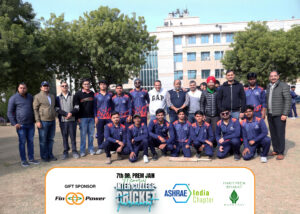
Finpower Aircon proudly supported the 7th Dr. Prem Jain Memorial Inter-College Cricket Tournament, organized by the ASHRAE India Chapter. The prestigious event took place on 24 January 2026 at the Ramanujan College Cricket Ground, bringing together some of the finest young cricketing talent from colleges across the region.

Showcasing Talent, Teamwork, and Leadership

The tournament gave students a valuable opportunity to showcase their sporting skills. Moreover, it allowed them to demonstrate teamwork, leadership, and strategic thinking. In fact, by fostering healthy competition and camaraderie, the event encouraged participants to develop both on-field excellence and personal growth. Furthermore, it celebrated youth talent and the spirit of cricket. As a result, students felt inspired to pursue their passions while successfully balancing academic and extra-curricular achievements.

Honoring the Legacy of Dr. Prem Jain

The event honored the legacy of Dr. Prem Jain, whose immense contributions to the HVAC industry and engineering education continue to inspire future engineers and professionals. Dr. Jain’s vision of excellence, innovation, and community engagement drives this annual inter-college cricket tournament.

Finpower Aircon as the Gift Sponsor

As the Gift Sponsor, Finpower Aircon actively supported an initiative that promotes youth development, collaboration, and sportsmanship. The company distributed gifts to participants and helped ensure the event ran smoothly.

A Memorable and Competitive Event

Overall, the tournament created a memorable experience, filled with high energy, enthusiastic performances, and closely contested matches. These moments kept both participants and spectators on the edge of their seats. Students, faculty, and cricket enthusiasts enjoyed the competitive yet friendly atmosphere, which highlighted the importance of discipline, perseverance, and teamwork in sports and life.

Gratitude and Commitment to Community Engagement

Finpower Aircon sincerely thanks the organizers, volunteers, and all participating students for making the event a remarkable success. The company continues to support community initiatives, youth development programs, and sports events that inspire excellence both on and off the field.

By actively engaging in such events, Finpower Aircon strengthens its connection with the local community and reinforces its philosophy of nurturing talent, encouraging collaboration, and celebrating achievements that reflect the values of dedication, innovation, and leadership.

Finpower Smart AHU: Intelligent Air Handling for Modern Buildings

In today’s commercial, residential, and industrial environments, air handling systems must do more than simply circulate air—they must be intelligent, efficient, and reliable. Finpower’s Smart Air Handling Unit (AHU) is designed to meet these demands by combining advanced controls, energy efficiency, and German mechatronic engineering to deliver superior indoor air quality with optimal performance.

Designed for Commercial & Industrial Excellence

Finpower Smart AHUs are engineered for commercial and industrial buildings where performance, durability, and smart control are critical. With energy efficiency of up to 40% and Eurovent certification, these systems ensure compliance with international standards while significantly reducing operational costs.

Core Components & Smart Architecture

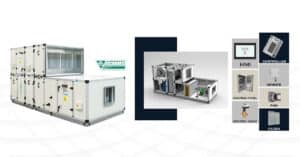
Each Finpower Smart AHU integrates high-quality components that work seamlessly together:

  • HMI (Human Machine Interface)
  • Advanced control panel and controller
  • Precision sensors
  • High-efficiency fan
  • Multi-stage filtration system

This intelligent integration enables accurate monitoring, precise control, and reliable operation across varying load conditions.

Finpower HMI – Full Control at Your Fingertips

The Finpower HMI serves as the brain of the Smart AHU, providing complete visibility and control of the unit at all times.

Full Control & Alarm

Operators can instantly view system status, and any fault conditions trigger immediate alarms.

User-Friendly Interface

The intuitive touchscreen interface allows users to activate functions, adjust parameters, and modify settings with ease.

Live Data Monitoring

Optional real-time monitoring enables users to remotely observe and fine-tune AHU performance.

Home Button & System Overview

With a single press of the home button, operators can access a comprehensive system overview dashboard. LED indicators display real-time status, while multiple connected AHUs can be monitored and controlled from a centralized interface.

Robust & Durable Design

Despite its advanced functionality, the Finpower HMI is built for durability. It is drop-tested, compact, and features a high-friction rubber frame for secure handling, making it suitable for demanding site conditions.

Intelligent Control Features

Finpower Smart AHUs incorporate advanced control strategies designed to optimize energy consumption and operational flexibility:

  • Automatic and manual operation with variable speed control
  • Intelligent modulation of fan speed and chilled water valve
  • Freely configurable alarm inputs for system customization
  • Seamless BMS integration
  • Optional real-time visualization of operational parameters

Real-Time Monitoring Parameters

The system continuously monitors and displays critical HVAC parameters, including:

  • Air inlet and outlet temperatures
  • Water inlet and outlet temperatures
  • Airflow volume
  • EC fan operating status
  • Common alarm status

Optional monitoring parameters (subject to requirement):

  • Electrical power consumption (kW)
  • Pressure control parameters

This comprehensive data visibility supports energy optimization, preventive maintenance, and compliance reporting.

A Future-Ready AHU Solution

By integrating intelligent controls, energy-efficient components, and robust mechanical design, Finpower Smart AHUs provide a future-ready solution for high-performance HVAC systems. Engineered for reliability, efficiency, and digital connectivity, they enable building owners and operators to achieve superior indoor air quality while minimizing energy and operating costs.

Finpower Smart AHU — Precision Engineered. Intelligently Controlled. Built for Performance.

Reduced Cooling Load & Energy Cost with Dual-Wheel Heat Recovery Systems at Finpower

As energy efficiency becomes a key priority in modern HVAC design, Finpower Aircon continues to deliver advanced air treatment solutions that help reduce energy consumption while maintaining superior indoor comfort. One such solution is the Dual-Wheel Heat Recovery System, an innovative technology designed to significantly reduce cooling load and operating costs, particularly in buildings with high fresh air requirements.

Advanced Pre-Conditioning of Fresh Air

Finpower’s dual-wheel heat recovery system is engineered to pre-condition incoming fresh air by simultaneously recovering heat and removing moisture before the air reaches the cooling coil. This pre-treatment process ensures that the air entering the HVAC system is already at a lower temperature and reduced humidity level, thereby minimizing the load on downstream cooling equipment.

By reducing both sensible and latent heat at an early stage, the system enables:

• Lower consumption

• Improved overall system efficiency

• Reduced cooling coil and chiller capacity requirements, leading to lower capital expenditure

Dual-Wheel System Design at Finpower

Finpower’s system consists of two independently optimized wheels, each designed for a specific recovery function:

• Latent (Sorption / Desiccant) Wheel: Effectively removes moisture from the incoming air stream, significantly reducing the latent cooling load.

• This dual-stage recovery process ensures that the fresh air supplied to the HVAC system is optimally conditioned, allowing air handling units and cooling equipment to operate with enhanced efficiency and reliability.

Reduced Cooling Load on HVAC Equipment

By delivering pre-treated air, Finpower’s dual-wheel heat recovery system reduces the burden on key HVAC components such as chillers, compressors, cooling coils, and air handling units. With less heat and moisture to remove, these components operate at reduced capacity and cycle less frequently.

This results in:

• Lower peak cooling demand

• Improved equipment efficiency

• Reduced power consumption

• Stable and consistent indoor conditions

Energy Savings and Operational Cost Reduction

Lower cooling demand directly translates into significant energy savings, particularly in commercial and industrial buildings that require high volumes of fresh air, such as offices, hospitals, malls, hotels, and manufacturing facilities. Over time, this reduction in energy usage helps organizations achieve:

• Lower operational and utility costs

• Improved building energy ratings

• Compliance with green building standards such as LEED and Estidama

• Finpower’s dual-wheel heat recovery systems support long-term sustainability goals while delivering measurable financial benefits

Extended Equipment Life and Enhanced Reliability

Operating HVAC systems under lighter loads reduces mechanical stress and wear on critical components. By incorporating Finpower’s dual-wheel heat recovery solution, building owners benefit from:

• Extended equipment lifespan

• Reduced maintenance requirements

• Lower risk of breakdowns and downtime

• More reliable year-round system performance

• This not only improves system reliability but also reduces total cost of ownership over the life of the equipment.

Ideal Solution for Hot and Humid Climates

Dual-wheel heat recovery systems from Finpower are especially effective in hot and humid regions, where managing latent load is a major challenge. By removing moisture at an early stage, the system enhances indoor comfort and helps prevent:

• Condensation on cooling coils and ductwork

• Mold and microbial growth

• Indoor air quality issues

• This makes Finpower’s solution highly suitable for Middle Eastern climates and other regions with extreme environmental conditions.

A Sustainable HVAC Solution by Finpower

By recovering energy that would otherwise be wasted, Finpower’s dual-wheel heat recovery systems play a vital role in sustainable building design. Reduced energy demand leads to lower carbon emissions, making the system an environmentally responsible choice for modern HVAC applications. This aligns with Finpower’s commitment to energy-efficient manufacturing and sustainable engineering solutions.

Conclusion

finpower’s Dual-Wheel Heat Recovery System is a smart investment for facilities seeking reduced cooling loads, improved energy efficiency, and long-term operational savings. Through effective heat and moisture recovery, the system optimizes HVAC performance, enhances indoor comfort, and delivers substantial economic and environmental benefits. With its advanced design and proven performance, Finpower continues to provide innovative HVAC solutions that meet the evolving demands of modern buildings.